Magic: The Gathering Card Checklists 2026
This post contains affiliate links — we may earn a commission at no extra cost to you.
This page provides comprehensive checklists for Magic: The Gathering card sets released in 2026 and prior years, encompassing base cards, parallels, inserts, and autograph variants. Collectors can navigate directly to specific set checklists using the archive below, which currently includes nearly 200 Magic: The Gathering sets archived as of April 2026.
Magic: The Gathering Card Checklists 2026
Intro
For Magic: The Gathering collectors, a comprehensive checklist is an essential tool for navigating the expansive and dynamic landscape of new releases. Each year introduces numerous sets from Wizards of the Coast, featuring a diverse range of card types, rarities, and sought-after variants. A complete checklist provides the foundational data necessary to track collection progress, identify missing chase cards, and understand the full scope of a set. This hub serves as a central repository for all Magic: The Gathering card checklists, offering detailed breakdowns of base sets, various parallel foils and treatments, scarce inserts, and signature cards. We ensure the data presented here is consistently accurate, with an automated weekly cache refresh pulling directly from the upstream feed, ensuring collectors always have access to the latest information across nearly 200 archived Magic: The Gathering checklists. Whether pursuing a full set completion or targeting specific high-value singles, these checklists are designed to support informed collecting decisions.
Complete 2026 Magic: The Gathering Release Calendar
The 2026 Magic: The Gathering release calendar is shaped by a mix of flagship expansions and supplementary products from Wizards of the Coast, continuing the established cadence of multiple releases throughout the year. Collectors can anticipate major sets that introduce new mechanics and lore, alongside specialized products like Commander preconstructed decks, which often feature exclusive card printings. Expect to see a consistent presence of highly collectible variants, including extended art, borderless, and foil etched cards, maintaining the appeal for both players and dedicated collectors seeking visually distinct or rare versions. The calendar reflects a commitment to supporting diverse play formats while also catering to the collector market with unique insert sets and premium treatments.
| Modified | Set |
|---|---|
| 2026-04-24 | Magic: The Gathering Secrets of Strixhaven TCG Checklist and Set Details |
| 2026-01-23 | Magic: The Gathering Lorwyn Eclipsed TCG Checklist and Set Details |
| 2026-01-08 | Magic: The Gathering – Final Fantasy Checklists (FIN, FCA, FIC) |
Latest Magic: The Gathering Checklists
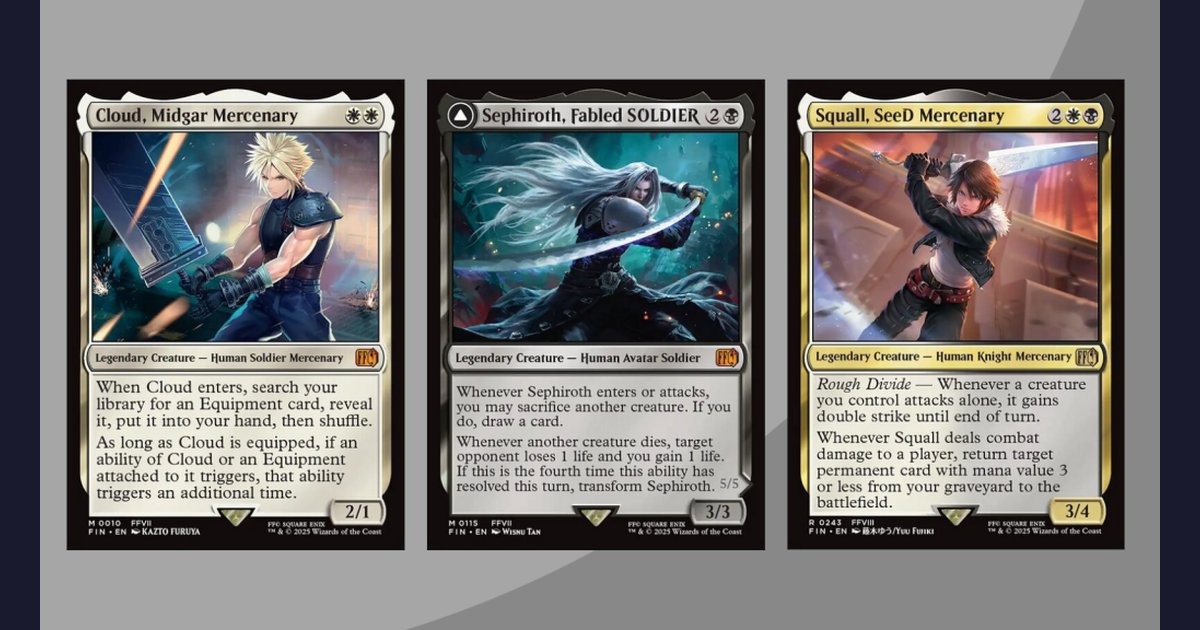
Magic: The Gathering Final Fantasy Checklist (FIN, FCA, FIC)
The complete Magic: The Gathering Final Fantasy checklist — all 1,085 cards across the FIN main set, FCA Through the Ages, and FIC Commander sub-sets. eBay sold comps + TCGplayer links.
The recent wave of Magic: The Gathering releases from Wizards of the Coast includes significant additions to the game’s lore and competitive play, alongside products tailored for specific formats. Collectors are currently focusing on the Magic: The Gathering Secrets of Strixhaven TCG main set and its associated preconstructed decks, such as the Upgrade Guide for MTG Secrets of Strixhaven Witherbloom Pestilence Precon. These releases introduce a variety of new cards and showcase various parallel treatments and insert sets that define the current collecting landscape. The consistent flow of new products keeps the market vibrant, offering fresh opportunities for collectors to engage with the latest offerings and identify chase cards.
Understanding Magic: The Gathering Card Set Structures
Magic: The Gathering sets are meticulously designed with multiple layers of collectibility, moving far beyond simple base cards. The base set forms the core, comprising all standard rarity cards from common to mythic rare. However, the true depth of collecting lies in the numerous parallels and inserts.
Parallels are variations of base cards, often distinguished by unique foiling, art treatments, or border designs. For Magic: The Gathering, common parallels include: * Foil versions: Nearly every card from a set can appear in a traditional foil variant, which carries a distinct sheen. * Extended Art: These cards feature the original artwork extending to the edges of the card frame, often found on rare and mythic rare cards. * Borderless: Similar to extended art, but can also apply to reprints or special versions of cards that span the entire card face without a traditional border. * Showcase Frames: Unique frame designs specific to a set’s theme, offering an alternative aesthetic for certain cards. * Foil Etched: A specialized foiling process that provides a subtler, textured shimmer compared to traditional foils. * Serialized Cards: Extremely rare variants, often numbered out of a very small print run (e.g., /100, /500), these command significant collector attention due to their extreme scarcity.
Inserts are special cards that exist outside the regular base set numbering and often feature distinct themes or art styles. These can include: * Full-Art Basic Lands: Basic land cards with artwork that covers the entire card face. * Art Cards: Non-playable cards featuring concept art or key illustrations from the set. * Themed Inserts: Special sub-sets that tie into the lore or mechanics of the set, often with unique visual treatments.
Autograph cards, while less common in Magic: The Gathering than in some other TCGs, do appear in certain special products or promotional releases, offering signed versions by artists or designers. Short Prints (SPs) and Super Short Prints (SSPs) are cards that appear less frequently than others of their rarity, making them harder to acquire. Identifying and understanding these various card types is crucial for any Magic: The Gathering collector aiming to complete sets or target specific valuable singles. The interplay of rarity, art style, and mechanical significance dictates a card’s collectibility and market value within the Magic: The Gathering ecosystem.
How to Use a Checklist for Collection Building
A comprehensive checklist is the backbone of an organized Magic: The Gathering collection. To effectively utilize a checklist, begin by identifying your primary collection goal: are you pursuing a master set (every variant of every card), or are you focusing on specific chase cards or play-ready singles? Start by sorting your newly acquired cards against the base set entries, noting any full-art or showcase versions. For parallels like extended art, borderless, or foil etched, dedicated sections on the checklist allow for precise tracking of each unique variant.
A common approach involves using a binder system with page protectors, marking off owned cards directly on a printed checklist or digitally. For higher-value cards, especially serialized ones or unique foils, consider immediately placing them in top loaders and potentially sending them for Card Grading. Grading can significantly enhance a card’s long-term value and protect its condition, particularly for cards destined for long-term hold or eventual sale. Cards that are duplicates or fall outside your primary collecting goal can be held raw in storage boxes or utilized for trade. Always refer back to the checklist to identify missing variants, guiding your decisions on whether to purchase singles or continue opening packs. Proper Card Display & Storage ensures the longevity and presentation of your collection, making the checklist an invaluable organizational tool.
All Magic: The Gathering Checklists
Magic: The Gathering Final Fantasy Checklist (FIN, FCA, FIC)
The complete Magic: The Gathering Final Fantasy checklist — all 1,085 cards across the FIN main set, FCA Through the Ages, and FIC Commander sub-sets. eBay sold comps + TCGplayer links.
Frequently Asked Questions
What is the primary benefit of using a Magic: The Gathering checklist?
The primary benefit of a comprehensive Magic: The Gathering checklist is organization and clarity. It allows collectors to systematically track every card in a set, from base commons to rare serialized foils. This prevents accidental purchases of duplicates, helps identify missing chase cards for completion, and provides a clear overview of a set’s complexity, enabling collectors to make informed decisions about their collecting goals and budgeting for singles.
How do parallel and insert cards impact a Magic: The Gathering set’s value?
Parallel and insert cards significantly impact a Magic: The Gathering set’s value by introducing scarcity and unique aesthetics. Variants like extended art, borderless treatments, foil etched cards, and especially serialized versions are produced in much lower quantities than their base counterparts. This increased rarity, combined with desirable artwork or unique visual appeal, drives demand and often commands substantially higher prices, making them the primary “chase” cards that define a set’s top-end market value.
Should collectors grade every chase card from a Magic: The Gathering set?
Not every chase card from a Magic: The Gathering set requires professional grading. Collectors should prioritize grading cards that are high-value, highly sought-after, or extremely rare (e.g., serialized cards, rare foil versions of powerful playables). Grading is an investment; it typically yields the best return on cards that are already valuable in raw form and are in exceptional condition. Common chase cards or those with minor imperfections are often better held raw or in protective sleeves, unless personal collection goals dictate otherwise.
What makes a Magic: The Gathering release “worth chasing” for collectors?
A Magic: The Gathering release becomes “worth chasing” when it combines strong playability for popular formats with highly desirable collector-oriented variants. Sets that introduce powerful new cards, especially mythic rares or unique legendary creatures, naturally attract players. When these cards also feature stunning extended art, borderless, or serialized printings, they create significant collector demand. The overall artistic appeal and thematic coherence of a set also contribute to its long-term collectibility and “chase” status.
How often are the checklists on What The Slab updated for Magic: The Gathering?
The Magic: The Gathering checklists on What The Slab are updated frequently to ensure accuracy and reflect the latest releases. We utilize an automated weekly cache refresh from our upstream feed, which processes new set data as it becomes available. This rigorous schedule ensures that collectors have access to the most current and complete information for all Magic: The Gathering sets, including any new card variants, parallels, or inserts as they are officially revealed and released by Wizards of the Coast.
Where can collectors find comprehensive Magic: The Gathering set data beyond checklists?
For comprehensive Magic: The Gathering set data beyond basic checklists, collectors can explore the broader TCG Collectibles Hub. This hub provides in-depth articles on various aspects of card collecting, including market trends, collection strategies, and news relevant to the broader trading card game landscape. Additionally, specific articles related to collection management and grading can be found under Card Grading and Card Display & Storage, offering supplementary information for informed collecting.